كيف تقلّل من الندبات بعد جراحة شفط الدهون؟
تعرّف على نصائح فعّالة لتقليل الندبات بعد شفط الدهون، بما في ذلك استخدام مواد هلامية للندبات، وارتداء ملابس الضغط، وحماية ندباتك من أشعة الشمس.
يُعدّ شفط الدهون إجراءً تجميليًا شائعًا لنحت الجسم وتقليل الدهون، لكن من الطبيعي أن تظهر بعض الندبات بعده. ولحسن الحظ، يمكن مع العناية السليمة بعد الجراحة تقليل هذه الندبات وجعلها أقل وضوحًا مع مرور الوقت. في هذا الدليل، سنتناول كيفية تقليل الندبات بعد شفط الدهون، ونسلّط الضوء على أهمية استخدام منتجات متخصّصة للعناية بالندبات، مثل المواد الهلامية للندبات وواقي الشمس، لتسريع الشفاء وحماية بشرتك.
ما تحتاج إلى معرفته عن ندبات شفط الدهون
يتضمّن شفط الدهون شقوقًا صغيرة، وغالبًا ما ينتج عنه ندبات ضئيلة يقلّ حجمها عن 1 سم. وقد يختلف مدى الندبات باختلاف عوامل مثل نوع البشرة والوراثة وروتين العناية بعد العملية. ويمكن للعناية السليمة بعد الجراحة أن تقلّل بشكل كبير من ظهور الندبات وأن تعزّز تعافيًا أكثر سلاسة.
المناطق الشائعة لظهور ندبات شفط الدهون:
- البطن
- الوركان
- الفخذان
- الذراعان
- الذقن والرقبة
باتّباع هذه النصائح الأساسية، يمكنك تقليل ظهور الندبات وتحقيق شفاء أمثل للبشرة.
1. اتّبع تعليمات جرّاحك بعد العملية
سيزوّدك جرّاحك بإرشادات محدّدة للعناية بمواضع الشقوق. وقد يشمل ذلك تنظيف الجروح، ووضع الكريمات أو المراهم الموصى بها، وارتداء ملابس الضغط. والالتزام بهذه التعليمات أمرٌ بالغ الأهمية لتقليل وضوح الندبات وضمان شفاء سليم.
2. ارتدِ ملابس الضغط لتحسين الشفاء
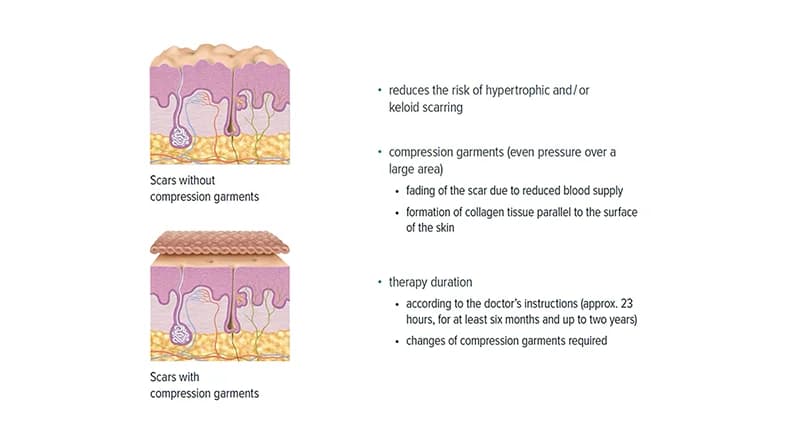
تؤدّي ملابس الضغط دورًا محوريًا في التعامل مع الندبات بعد شفط الدهون. فهي تساعد على تقليل التورّم، ودعم البشرة أثناء تكيّفها مع شكل الجسم الجديد، ومنع الندبات المرتفعة مثل الجدرة (الكيلويد). وللحصول على أفضل النتائج، ارتدِ ملبس الضغط وفق ما يُوصى به، وعادةً لمدّة 4 إلى 6 أسابيع بعد الإجراء.
3. استخدم المواد الهلامية للندبات لتسريع الشفاء
من أكثر الطرق فعّاليةً لتقليل الندبات بعد شفط الدهون استخدام المواد الهلامية للندبات القائمة على السيليكون. وقد ثبتت فعّالية هذه المنتجات سريريًا في تقليل ظهور الندبات من خلال:
- الحفاظ على ترطيب نسيج الندبة.
- حماية الندبة من العوامل البيئية.
- تليين الندبة وتسطيحها مع مرور الوقت.
يمكنك البدء باستخدام المواد الهلامية للندبات بمجرّد التئام شقوقك تمامًا (عادةً بعد بضعة أسابيع من الجراحة). ويمكن للاستخدام المنتظم أن يحسّن ملمس الندبة ومظهرها بشكل ملحوظ، مما يساعدها على الاندماج مع لون بشرتك الطبيعي.
4. ضع واقي الشمس لحماية الندبات في أثناء التئامها
تكون الندبات الجديدة شديدة الحساسية لأشعة الشمس، ويمكن أن يؤدّي التعرّض للأشعة فوق البنفسجية إلى اسمرارها وجعلها أكثر وضوحًا. ولتفادي ذلك، احرص دائمًا على وضع واقٍ من الشمس بمعامل حماية SPF 30 أو أعلى على منطقة الندبة عند الخروج، حتى لو كانت الندبة مغطّاة بالملابس. والحفاظ على حماية ندباتك من الشمس أمرٌ حيوي خلال الأشهر الستّة الأولى بعد الجراحة لضمان التئامها بشكل سليم وتلاشيها مع مرور الوقت.
5. رطّب بشرتك بانتظام
يُعدّ ترطيب البشرة حول ندباتك ضروريًا للحفاظ على نعومة المنطقة وتعزيز شفاء سلس. استخدم مستحضرات ترطيب تحتوي على مكوّنات مرطّبة مثل فيتامين E أو الصبّار أو زبدة الكاكاو. فالبشرة جيّدة الترطيب تكون أكثر مرونة، مما قد يمنع الندبات من أن تصبح صلبة أو مرتفعة.
6. دلّك نسيج الندبة بلطف
بمجرّد أن يمنحك جرّاحك الإذن، يمكن لتدليك نسيج الندبة بلطف أن يحسّن مرونتها وملمسها. ويساعد تدليك الندبة على تفكيك الكولاجين الزائد، وزيادة تدفّق الدم، وتعزيز ندبة أكثر تسطّحًا ونعومة. كما يمكن للتدليك المنتظم أن يمنع تكوّن الندبات المرتفعة مثل الندبات الضخامية (المتضخّمة) أو الجدرة.
7. حافظ على ترطيب جسمك واتّبع نظامًا غذائيًا صحيًا
يُعدّ الترطيب والتغذية السليمان أساسيّين لتعافٍ صحّي للبشرة. فشرب كمّية كافية من الماء يدعم عمليات الشفاء الطبيعية في جسمك، بينما يساعد نظام غذائي متوازن غنيّ بالفيتامينات والمعادن، مثل فيتامين C والبروتينات، بشرتك على إنتاج خلايا جديدة وكولاجين، وكلاهما مهمّ لالتئام الندبات.
8. تحلَّ بالصبر مع عملية الشفاء
من المهمّ أن تتذكّر أنّ التئام الندبات يستغرق وقتًا. فقد تحتاج الندبات إلى عدّة أشهر وحتى سنة كي تتلاشى تمامًا. والاستمرارية في روتين العناية بعد الجراحة، بما في ذلك ارتداء ملابس الضغط، ووضع المواد الهلامية للندبات، والترطيب، وحماية ندباتك من الشمس، ستحقّق أفضل النتائج مع مرور الوقت.
الخلاصة
إذا كنت تتساءل عن كيفية تقليل الندبات بعد شفط الدهون، فإنّ اتّباع خطوات العناية الصحيحة بعد الجراحة أمرٌ بالغ الأهمية. فمن استخدام المواد الهلامية السيليكونية للندبات وملابس الضغط إلى وضع واقي الشمس والترطيب المنتظم، يمكن لهذه الممارسات أن تقلّل بشكل كبير من وضوح الندبات وتعزّز شفاءً أسرع وأكثر سلاسة. وبالصبر والعناية السليمة، يمكنك تحقيق نتائج ممتازة والاستمتاع بمظهرك الجديد بثقة.
يمكن لأخصائيينا المعتمدين إرشادك إلى فئة الضغط والملبس المناسبين.
تحدث إلى أخصائيمقالات ذات صلة
التعليقات
…