

Understanding Oedema Therapy: A complete guide for Lymphedema and Lipedema patients in Dubai, Abu Dhabi, UAE
Oedema occurs when fluid builds up in the tissue, often due to a malfunctioning lymphatic system. This excess fluid can contain proteins, waste products, etc.
Oedema isn’t just about swelling, it’s often a sign of deeper lymphatic system issues. In the UAE, where hot weather and sedentary office lifestyles can aggravate circulatory problems, it’s especially important to pay attention to unexplained swelling, tightness, or discomfort in the limbs. Whether it’s due to surgery, chronic venous insufficiency, or obesity, oedema should not be ignored.
What Is Oedema and Why Does It Happen?
Oedema occurs when fluid builds up in the tissue, often due to a malfunctioning lymphatic system. This excess fluid can contain proteins, waste products, and even pathogens. The lymphatic system, an essential part of the immune system, is responsible for draining this fluid and returning it to the bloodstream. When this system fails or is overloaded, oedema results.
There are different types of oedema:
-
Primary lymphoedema: Often genetic or due to developmental issues in the lymph vessels or nodes.
-
Secondary lymphoedema: More common, caused by surgery, trauma, cancer treatments, or infections.
-
Phlebolymphoedema: Triggered by venous problems like varicose veins or deep vein thrombosis.
-
Obesity-related lymphoedema: Due to excess fat compressing lymphatic vessels.
Oedemas can lead to discomfort, reduced mobility, and skin complications. Consulting a medical professional early is key.
Recognizing the Symptoms of Lymphoedema
Identifying lymphoedema early is essential for effective treatment. Common signs include:
-
Swelling in arms, legs, hands, or feet
-
A feeling of heaviness or tightness
-
Skin indentations (positive Stemmer’s sign)
-
Thickened skin or visible folds
-
Numbness or recurring infections
Try the thumb test: press into the swollen area for 10 seconds. If the indentation remains, it could indicate lymphoedema. Also, compare the skin on both feet—toe skin that can’t be lifted easily may point to a positive Stemmer’s sign.
The Four Stages of Lymphoedema
Understanding the progression of lymphoedema helps guide the right therapy:
-
Stage 0 (Latency): Lymphatic damage has occurred but there’s no visible swelling.
-
Stage I: Soft swelling that reduces with elevation; leaves a dent when pressed.
-
Stage II: Tissue hardens; swelling doesn’t reduce with elevation; dents are harder to make.
-
Stage III: Skin becomes fibrotic with visible changes and severely limited movement.
Early intervention prevents worsening and improves outcomes.
Comprehensive Treatment: Complex Decongestive Therapy (CDT)
CDT is the leading non-surgical treatment method and includes multiple components:
Phase 1: Decongestion
Focused on reducing swelling and improving lymphatic drainage, this phase includes:
-
Manual Lymphatic Drainage (MLD): Gentle massage techniques to mobilize fluid
-
Compression Bandaging: Using short-stretch bandages, pads, and wraps like Juzo SoftCompress and ACS Light
-
Therapeutic Exercise: Movement while wearing compression
-
Skin Care: Maintaining skin health to prevent infections
Phase 2: Maintenance
The goal is to sustain and enhance the results of Phase 1:
-
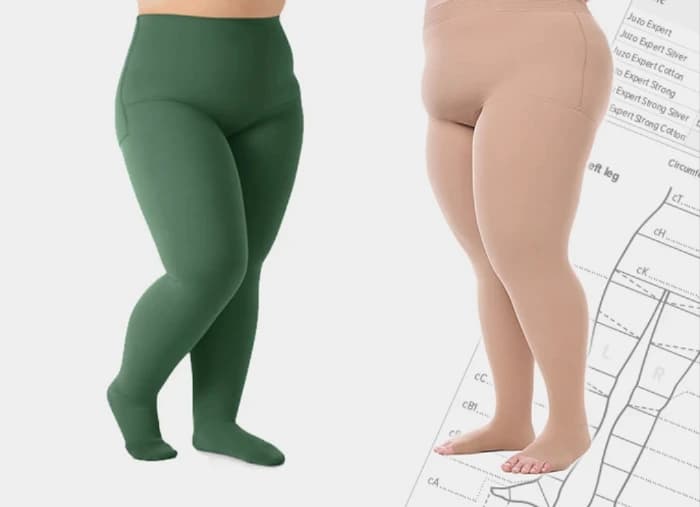
Flat Knit Compression Garments: Custom-made to fit the patient
-
Reduced Frequency of MLD
-
Continued Exercise and Skin Care
The right compression garment should fit like a second skin—not too tight, and never slipping. At Healfit, we custom-fit garments tailored to each patient’s needs.
Are Surgical Treatments Available?
In some cases, surgical procedures like lymphovenous anastomosis or lymph node transfer may be considered. These are usually reserved for severe cases or when conservative treatments fail. Surgical methods include:
-
Tissue removal
-
Creating new drainage paths
-
Reconstructing lymphatic connections
However, conservative therapy (CDT) remains the first-line and most effective approach.
Inpatient vs. Outpatient: Which Is Right for You?
Severe lymphoedema or complex conditions may require inpatient care, especially during Phase 1 of CDT. Inpatient settings ensure uninterrupted treatment, including:
-
Intensive lymphatic drainage and bandaging
-
Nutritional support
-
Psychological care and self-management training
Patients with milder symptoms can benefit from outpatient therapy, especially with the support of skilled professionals and proper self-care at home.
Supporting Your Therapy at Home
Patients play a vital role in their own recovery. Here’s how you can support your therapy daily:
Hygiene & Skin Care
-
Wash compression garments daily to maintain elasticity
-
Moisturize with lymph-safe lotions
-
Use gentle, pH-balanced soaps
-
Carry disinfectant for minor injuries
Diet & Lifestyle
-
Eat high-fiber, low-sugar foods
-
Drink 2+ liters of water daily
-
Minimize alcohol and avoid smoking
-
Maintain a healthy weight
Exercise & Clothing
-
Do low-impact activities like walking or swimming
-
Avoid extreme heat or cold
-
Wear loose, non-restrictive clothing and supportive footwear
Donning and Doffing Aids: Make It Easier
Compression garments are effective only when worn daily. Juzo offers specialized donning and doffing aids from Arion for sleeves, stockings, and gloves. These tools make applying and removing garments faster and easier—especially helpful for older adults or people with limited mobility.
Ask us during your fitting session, we’ll recommend the right aid for your needs.
Why Choose Healfit for Oedema Therapy in the UAE?
Healfit is the official UAE distributor of Juzo and an expert in lymphology and compression solutions:
-
Provide certified & medical custom-fit compression garments
-
Offer expert fittings in Dubai and Abu Dhabi
-
Supply Juzo lymphaid product and garment maintenance products
-
Support patients with guidance, training, and ongoing care
Final Word
Oedema is a manageable condition, especially when you act early. Whether you’re dealing with post-surgical swelling, lymphoedema, or chronic venous issues, Healfit is here to support your journey with trusted solutions and expert care in Dubai and Abu Dhabi. We help patients across UAE to manage oedema through medically certified compression garments and comprehensive lymphological care products.
Book your consultation today.
Visit us at healfit.ae or call us on +971 52 974 5838
Our certified specialists can guide you to the correct compression class and garment.
Talk to a specialistRelated articles
Comments
…