
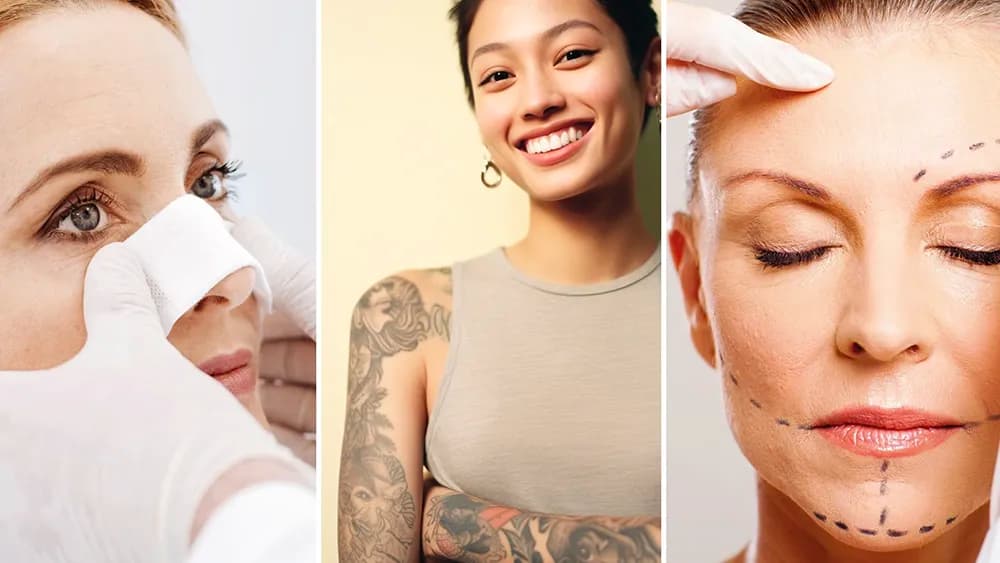
The Importance of SPF for Scars After Surgery: How Sunscreen Aids Scar Healing
Applying SPF on scars after surgery prevents damage, speeds healing, and improves appearance. It's an essential step for better scar recovery & fading over time
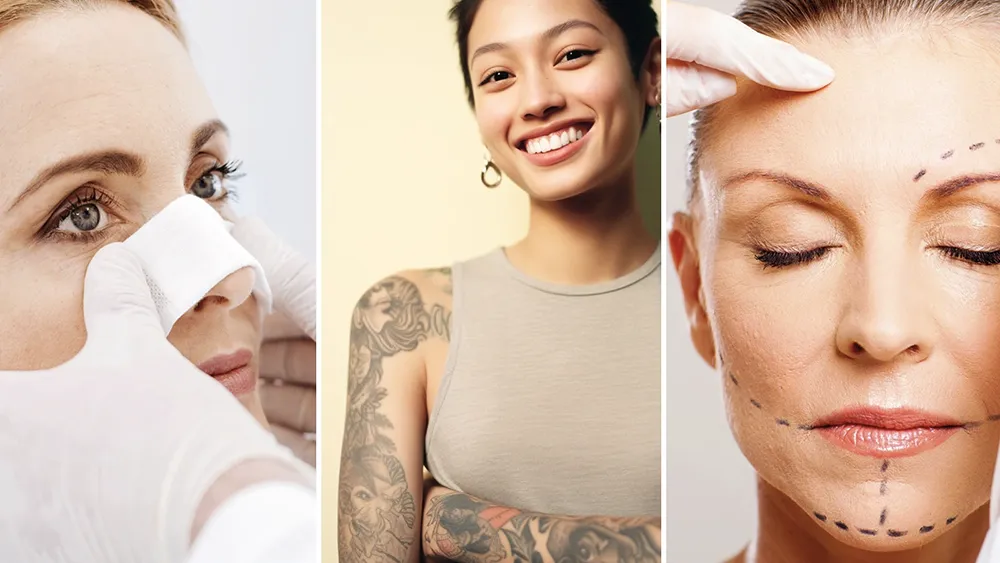
Scars are a natural part of the healing process after any surgical procedure, whether it's medical or cosmetic. Proper post-surgery care can significantly impact how scars heal and appear. One of the most essential yet often overlooked steps in scar management is applying sunscreen with SPF (Sun Protection Factor). Using SPF on scars after surgery can prevent further damage, promote quicker healing, and improve the overall appearance of scars. This guide explores why SPF is critical for scar care and how it helps scars fade more effectively over time.
Why Using SPF on Scars After Surgery is Important?
Prevents Scar Darkening (Hyperpigmentation)
Fresh scars are particularly vulnerable to the sun because the new skin is more sensitive. Exposure to UV rays can cause scars to darken, leading to hyperpigmentation. Applying sunscreen to scars helps block UV rays, preventing darkening and keeping scars from becoming more prominent.
Reduces Redness and Inflammation
Post-surgery scars often appear red or pink due to the natural healing process. Sun exposure can worsen this redness, making scars more inflamed. Consistent use of sunscreen helps reduce irritation, promoting a more even skin tone, allowing scars to blend smoothly with surrounding skin.
Prevents Thickened Scar Tissue
UV exposure interferes with collagen production, essential for proper wound healing. If scars are exposed to sunlight, they may thicken, resulting in hypertrophic or keloid scars. By applying SPF, you protect the collagen in your skin, ensuring that scars heal smoothly without becoming overly thick or raised.
Supports Faster Scar Healing
Sun damage can slow down the scar-healing process. Using SPF on scars shields them from harmful UV rays, allowing the skin to heal faster and more evenly, reducing scar visibility as they heal and flatten efficiently.
Protects Against Long-Term Damage
Newly formed scars are sensitive to UV rays, which can cause premature aging, sunburns, and even skin cancer. Applying sunscreen to scars protects both the scar and surrounding skin from these risks, ensuring better scar healing and long-term skin health.
How to Select the Best SPF for Scars After Surgery?
Broad-Spectrum Sunscreen: Choose a sunscreen that offers broad-spectrum protection to shield your skin from UVA and UVB rays.
SPF 30 or Higher: Dermatologists recommend using at least SPF 30 for protecting scars. For high-exposure areas like the face or hands, consider SPF 50 or higher.
Mineral Sunscreens: Opt for mineral-based sunscreens with zinc oxide or titanium dioxide. These create a physical barrier that reflects UV rays, and they’re gentler on sensitive skin.
Fragrance-Free & Hypoallergenic: Choose sunscreens without fragrance to avoid irritation on sensitive scar tissue.
Water-Resistant: If you’re outdoors or swimming, pick a water-resistant sunscreen to ensure continuous protection.
When to Begin Applying Sunscreen on Scars After Surgery?
Wait until your wound has completely healed before applying sunscreen, which typically takes about two to three weeks post-surgery. Follow your doctor’s advice on when to start applying SPF.
How to Apply Sunscreen on Scars for Best Results?
- Daily Application: Use high quality medical sunscreens like Revee Suncare to your scar daily, even when indoors.
- Frequent Reapplication: Reapply sunscreen every two hours when outdoors, especially if you’re swimming or sweating.
- Combine with Other Protection: Use protective clothing, hats, or shade in addition to sunscreen for added protection.
Common Questions About Sunscreen and Scar Healing
How long should I use sunscreen on my scar?
Apply sunscreen for at least six months to a year post-surgery, especially for scars in sun-exposed areas.
Can I use makeup with SPF on my scar?
Yes, makeup with SPF can provide additional protection, but sunscreen should still be applied underneath.
Does sunscreen make scars disappear?
Sunscreen won’t erase scars, but it helps them heal properly, preventing darkening and thickening.
In short: Why SPF is Vital for Scars After Surgery?
Using sunscreen with SPF is crucial in scar care after surgery. It prevents hyperpigmentation, reduces redness, and protects against long-term skin damage. Regular application of SPF promotes faster healing and reduces the visibility of scars. By making SPF a part of your daily routine, you can ensure that your scars heal smoothly and blend more naturally into your skin.
Final Tip: Use sunscreen daily on scars for optimal healing for at least six months to a year after surgery. Combining SPF with other protective measures ensures the best scar recovery and overall skin health.
Our certified specialists can guide you to the correct compression class and garment.
Talk to a specialistRelated articles
Flat Knit vs Circular Knit Arm Sleeves: Which One After Breast Surgery?
6 min read
The Story of Compression Garments and Why Quality Matters
5 min read
Understanding Oedema Therapy: A complete guide for Lymphedema and Lipedema patients in Dubai, Abu Dhabi, UAE
8 min readComments
…